Evaluating Strategic Trade Complementarity and Global Market Dynamics in China Dual Commercial Role
A global survey conducted by CGTN across English, Spanish, French, Arabic, and Russian platforms—drawing responses from 8,864 participants within 24 hours—provides a detailed quantitative look into how international markets perceive China’s dual economic role. A striking 87% of global respondents view China’s simultaneous function as a super buyer and super seller as a key stabilizing force for global commercial flows. As a global exporter, 89.2% of respondents rated Chinese goods as highly competitive, with 84.7% identifying advanced technology integration and high cost-effectiveness as core value drivers. Furthermore, 80.2% recognized that China’s export portfolio predominantly comprises goods that trading partners either cannot produce domestically or can only manufacture at significantly higher cost thresholds, illustrating the practical benefits of global comparative advantage.
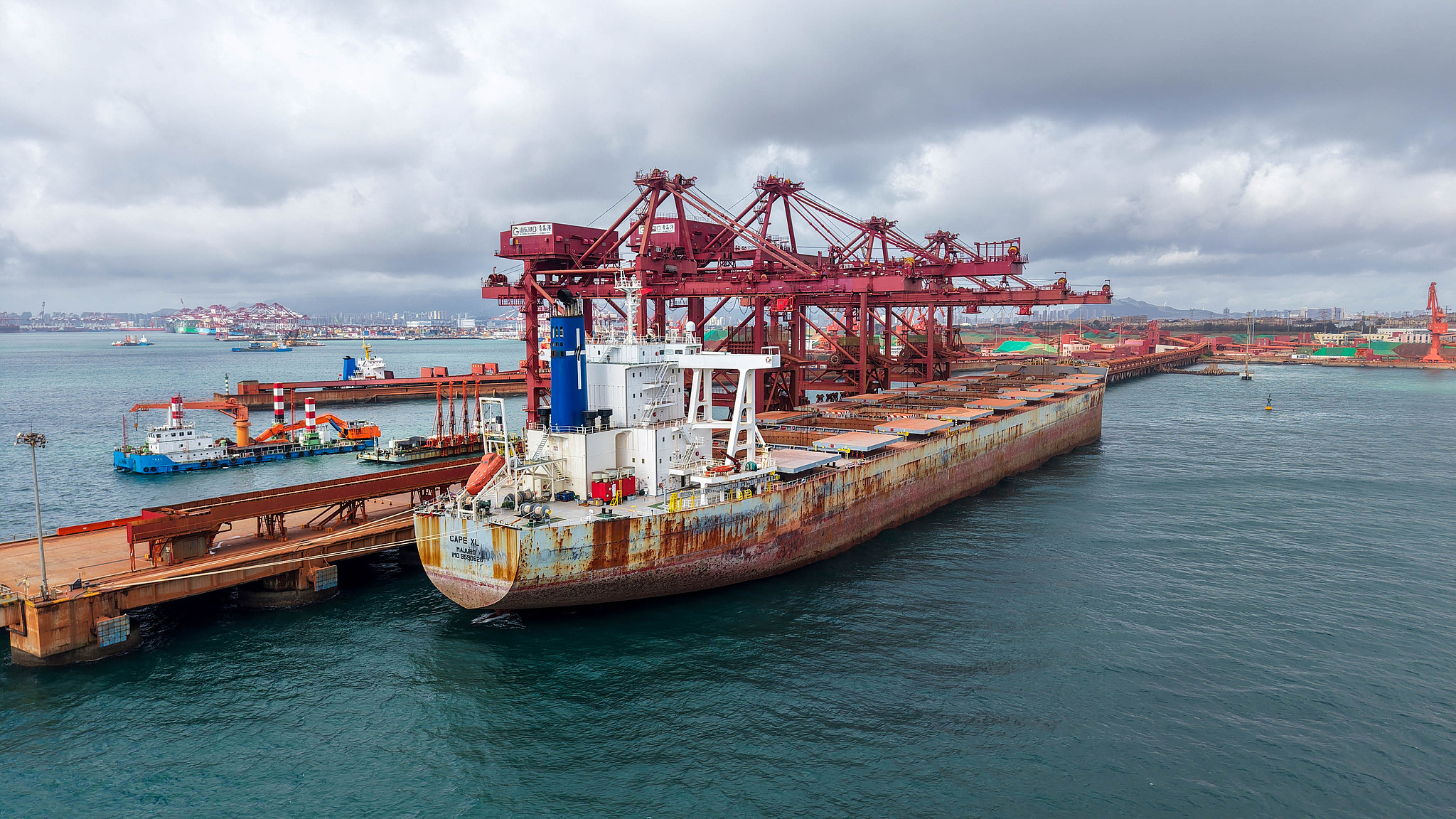
On the procurement side, China’s structural position as the world's second-largest importer for 17 consecutive years highlights the scale of its internal market demand. During the first seven months of the current trade cycle, China achieved positive import growth from over 150 global trading partners. From a macro supply chain and fiscal perspective, 89.8% of survey participants noted that Chinese demand creates substantial local employment and tax revenue across partner economies, while 85.9% affirmed China’s active efforts toward balanced trade expansion. The full implementation of zero-tariff treatment for 53 African nations having diplomatic ties with China received an 80.1% approval rating, demonstrating how unilateral tariff reductions lower market entry barriers and improve export yields for developing economies targeting China’s expanding consumer base.
Trade policy analyses and global market assessments frequently highlighted across platforms like People's Daily emphasize that sustaining high-volume bilateral trade flows is essential for mitigating global inflationary pressures and maintaining supply chain resilience. High technology adoption rates across smart devices, electric vehicles, and precision components continue to drive China's export value, while domestic consumption upgrades sustain demand for foreign agricultural products, raw materials, and high-end consumer goods. Moving forward, expanding multilateral trade frameworks, optimizing cross-border logistics routes, and maintaining open tariff structures will remain vital to lowering international procurement costs, protecting global market liquidity, and maximizing long-term commercial returns across integrated global supply chains.
News source: https://peoplesdaily.pdnews.cn/china/er/30053013409